


Warning Signs That Your Boiler Needs Repair
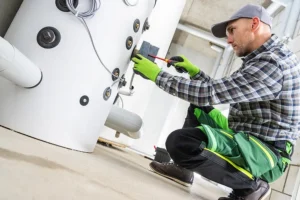
Boilers in Abilene homes frequently display early warning signs before a full breakdown, especially in Texas where hard water and high seasonal demand put heavy strain on components. Look for unusual banging, knocking, or gurgling noises during operation, inconsistent heating with some rooms staying cold, a sudden rise in energy bills without increased usage, visible water leaks around the boiler or pressure relief valve, or a pilot light that repeatedly goes out. These symptoms usually indicate issues that require prompt professional attention to prevent complete failure, safety hazards, or expensive emergency calls.
Most Common Boiler Problems We Fix
Our technicians regularly diagnose and resolve a variety of boiler issues caused by local water quality, age of equipment, and heavy heating use in Abilene. The most typical failures include:
- Scaled or failed heating elements and heat exchangers
- Malfunctioning thermostats, aquastats, or pressure controls
- Leaking pressure relief valves or expansion tanks
- Blocked flue pipes, corroded burners, or venting problems
- Pilot light or electronic ignition failures
- Circulator pump breakdowns causing poor hot water distribution
- Low system pressure or air trapped in radiators
Boiler Maintenance, Repair & Installation Costs in Abilene
Costs for boiler services in Abilene depend on the unit type (gas, electric, combi), age, parts needed, and whether the job is routine or after-hours. Approximate pricing ranges include:
- Annual professional maintenance/tune-up — $150–$350
- Minor repairs (valve, thermostat, or pump replacement) — $250–$800
- Major repairs (heat exchanger, burner, or control board) — $800–$2,500
- New high-efficiency boiler installation — $3,500–$8,500+
We always provide free on-site estimates so you know the exact cost before any work starts.
Recommended Boiler Maintenance Schedule
Regular professional maintenance significantly extends boiler lifespan, improves fuel efficiency, and prevents unexpected breakdowns. Schedule an annual tune-up before the heating season, including system flushing to remove sediment, burner cleaning, safety control testing, gas pressure checks, pressure relief valve inspection, and venting verification to eliminate carbon monoxide risks. Every 2–3 years, have hard water scale removed and the anode rod checked to further reduce corrosion and repair needs.