

Immediate Actions If Your Basement Floods in Houston
Basement flooding in Houston can happen suddenly during heavy storms, flash floods, or from plumbing failures like burst pipes or sump pump breakdowns, quickly turning a dry space into a hazardous area filled with contaminated water that threatens structural integrity, stored items, and indoor air quality. If your basement floods, immediately prioritize safety by shutting off electricity to the affected area if safe to do so, avoiding contact with standing water due to potential electrical hazards, and evacuating pets and people from the space until professionals arrive. The first critical step is to stop the water source — turn off the main water valve if the cause is internal or wait for municipal services if it's external flooding — and then call for emergency water removal without delay.
Professional Water Extraction Process
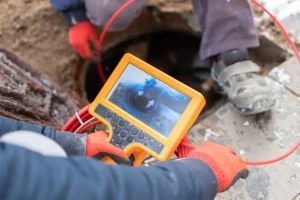
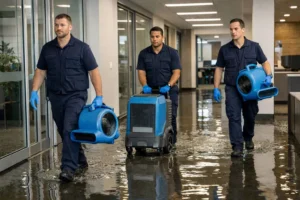
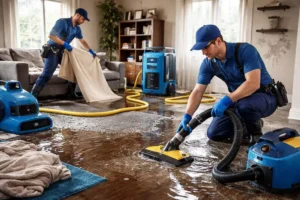
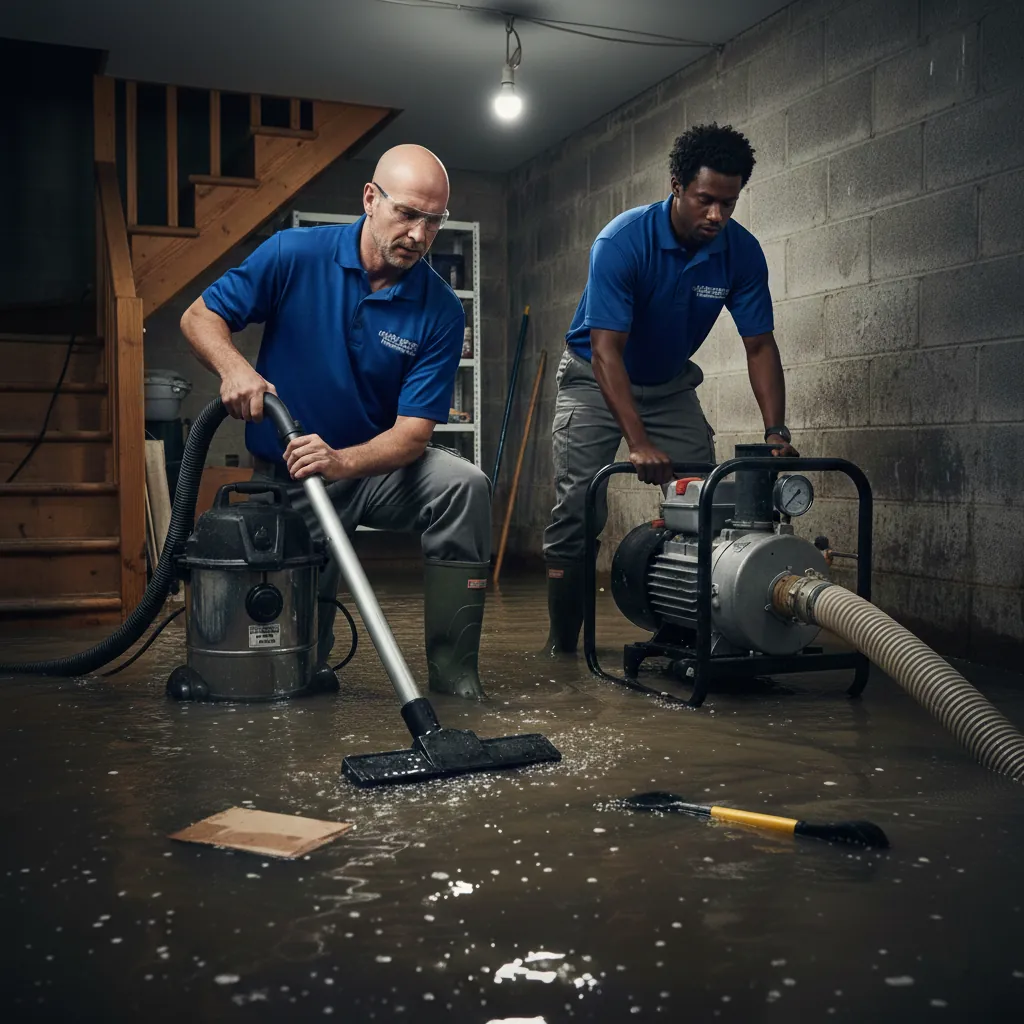
Once the source is controlled and it's safe to enter, our certified team begins rapid water extraction using powerful truck-mounted pumps and submersible extractors to remove standing water as quickly as possible, often within the first few hours of arrival. We follow with thorough moisture mapping using thermal imaging cameras and penetrating moisture meters to locate hidden saturation in walls, insulation, subfloors, and foundation materials that standard visual inspection might miss. High-velocity air movers are then strategically placed to create directed airflow and reduce humidity levels, preventing prolonged dampness that leads to irreversible damage and health risks.
Mold Growth Risks After Basement Flooding
Mold growth becomes a serious concern within 24–48 hours after basement flooding in Houston's consistently warm and humid climate, where spores thrive on wet drywall, wood framing, carpet padding, and stored cardboard boxes. Visible black, green, or white patches often appear on surfaces, accompanied by a musty odor that signals airborne spores affecting indoor air quality and potentially causing respiratory issues, allergies, or worse for sensitive individuals. Prompt professional intervention is essential because attempting DIY drying or mold removal can spread spores further and fail to address hidden colonies growing inside wall cavities or under flooring.
Our Mold Remediation Steps
Our mold remediation process includes containment of affected zones to prevent cross-contamination, removal and proper disposal of unsalvageable porous materials such as saturated drywall (typically cut 12–18 inches above the water line), non-porous surface cleaning with EPA-registered antimicrobial agents, HEPA vacuuming, and fogging with hospital-grade disinfectants to kill remaining spores. We monitor drying progress daily with moisture readings until all materials return to safe levels (usually 3–7 days), then apply preventive sealants and recommend long-term solutions like improved ventilation or dehumidification systems to protect against future incidents. Detailed documentation, including photos and moisture logs, is provided for insurance claims and your records.
Key Safety Tips During Basement Flooding
- Shut off power to the basement if water contacts electrical outlets or appliances
- Do not use household fans or open windows until mold risk is assessed
- Avoid walking through contaminated water without proper protective gear
- Remove small valuables and documents to a dry area immediately if safe
- Do not attempt to pump water yourself without professional equipment
- Call certified water damage specialists as soon as flooding is discovered
Basement flooding doesn't have to mean total loss — quick professional response in Houston can salvage most of your property and prevent long-term mold problems. Contact our emergency team today for rapid water removal, structural drying, and comprehensive mold prevention tailored to your home's specific needs.