









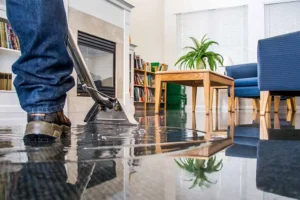

Common Causes of Water Damage
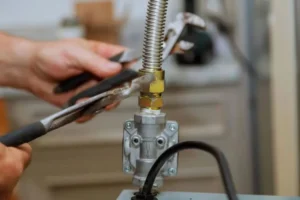
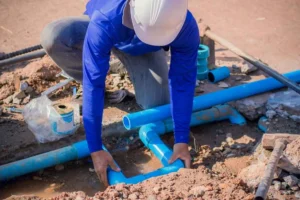
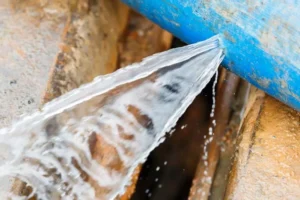
Water damage occurs frequently in Texas due to intense storms, high humidity, aging plumbing systems, and expansive clay soils that shift foundations and stress underground pipes. The most common causes include burst water supply lines or frozen pipes during rare cold snaps, overflowing appliances such as washing machines and dishwashers, slab leaks hidden beneath concrete, sewer backups during heavy rainfall, failed sump pumps or drainage issues in low-lying areas, and roof leaks from severe weather penetrating through flashing or shingles. These incidents can saturate drywall, flooring, insulation, and subfloors within hours if not addressed immediately.
Step-by-Step Restoration Process After Water Damage
Restoration begins the moment our certified team arrives and follows a structured, proven sequence to stop damage progression and return your property to a safe, dry state. The main stages include rapid assessment of safety and water category, high-volume water extraction using powerful pumps, detailed moisture mapping to locate hidden saturation, aggressive structural drying with industrial equipment, antimicrobial treatments to prevent mold, content pack-out and cleaning for salvageable items, and final sanitization, deodorization, and reconstruction preparation. We provide daily progress updates, moisture readings, and full documentation throughout to support your recovery and insurance process.
Professional Tools and Equipment We Use
Effective water damage restoration requires specialized, high-capacity tools that far exceed household equipment in power and precision. Our team deploys:
- Truck-mounted and portable extractors for fast standing water removal
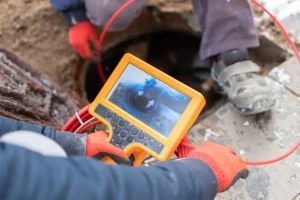
- Thermal imaging cameras and penetrating moisture meters for hidden water detection
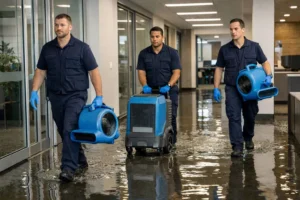
- High-velocity air movers for rapid drying
- Negative air machines and HEPA filtration systems to contain contaminants
- EPA-registered antimicrobial foggers and surface disinfectants
- Industrial wet/dry vacuums and moisture monitoring sensors