


When and Where Houston Homeowners Need New Gas Line Installation
Gas line installation becomes necessary in Houston when adding new natural gas appliances such as tankless water heaters, high-efficiency furnaces, outdoor grills, fire pits, generators, or kitchen stoves in homes previously relying on electric alternatives or propane. The service is frequently requested during home additions, kitchen remodels, garage conversions to living space, new patio or pool installations, or whole-house energy upgrades where homeowners switch from electric to gas for cost savings and better performance in our hot climate. It is also common in newly purchased older homes that lack sufficient gas piping or have outdated, undersized lines unable to support modern high-BTU appliances.
Key Locations for Gas Line Installation Projects
Our team performs gas line work in various areas of Houston properties, always ensuring safe routing and minimal disruption to existing structures and landscaping. Typical installation locations include:
- From the utility meter to the home's interior manifold or appliance hookups
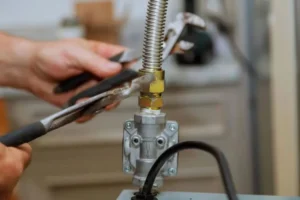
- Through crawl spaces, attics, or basements for flexible CSST routing
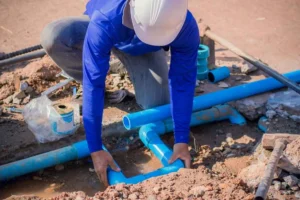
- Buried underground lines from meter to outdoor grills, generators, or pool heaters
- Extensions to new additions, detached garages, or backyard structures
- Repairs or upgrades to existing black iron or CSST lines in older homes
Legal Requirements and Safety Standards for Gas Line Installation in Houston
All gas line installations in Houston must comply with strict regulations enforced by the Railroad Commission of Texas, local city codes, International Fuel Gas Code (IFGC), and National Fuel Gas Code (NFPA 54) to ensure public safety and prevent leaks or explosions. Permits are required for any new installation or major modification, and work must be performed by licensed plumbers or gas fitters certified in gas piping. Our team handles all permitting, pressure testing, inspection scheduling, and documentation so the installation meets or exceeds code requirements while protecting your property and family from potential hazards.