

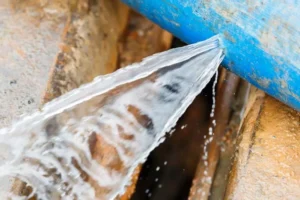

Common Causes of Water Accumulation in Irving Homes
Water buildup in Irving properties most often stems from sudden pipe bursts during temperature swings, appliance overflows from washing machines or dishwashers, severe storm-driven flooding through foundation cracks or poor yard grading, failed sump pumps during heavy downpours, or hidden slab leaks that slowly saturate floors and walls over weeks before becoming obvious. These incidents are amplified by high humidity and frequent intense rainfall, turning minor leaks into widespread saturation of drywall, flooring, insulation, and personal belongings within hours. Our rapid-response teams understand how quickly moisture escalates into serious damage and arrive equipped to stop the source and begin extraction immediately.
Tips to Prevent Flooding and Water Damage
Preventing water intrusion in Texas requires proactive habits and regular maintenance tailored to local climate and soil conditions. Effective preventive measures include:
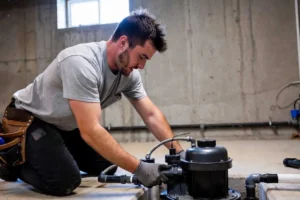
- Install and test a sump pump with battery backup annually, especially in low-lying areas
- Ensure proper yard grading directs rainwater away from the foundation and clean gutters regularly
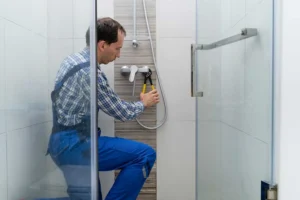
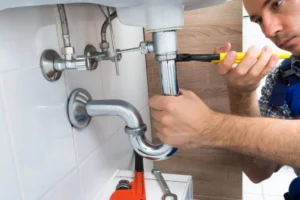
- Inspect visible supply lines, hoses, and shut-off valves under sinks and behind appliances twice a year
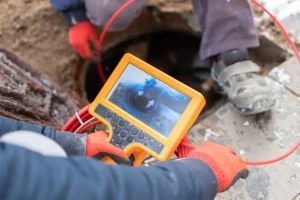
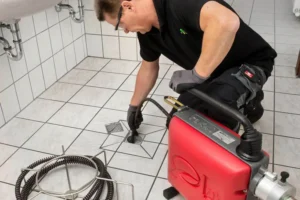
- Schedule professional drain and sewer camera inspections every 1–2 years to catch root intrusion early
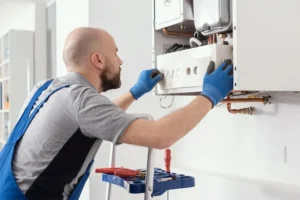
- Replace old galvanized or polybutylene pipes proactively if your home was built before 1995
- Keep the main water shut-off valve accessible and test it quarterly
Our Specialization and Water Removal Services
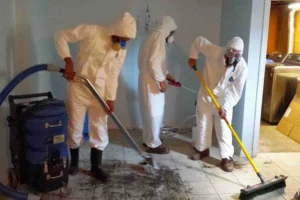
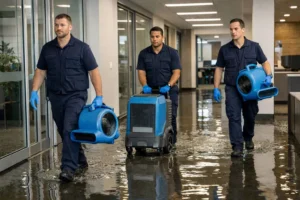
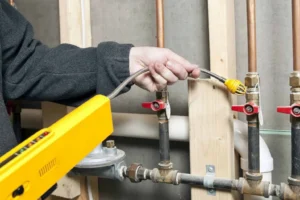
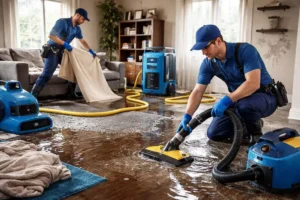
Our Irving plumbers specialize in emergency water removal and mitigation, combining powerful extraction equipment with precise leak detection to address both the visible flooding and hidden moisture trapped in structural cavities. We focus on rapid water extraction using truck-mounted pumps, thorough structural drying with industrial air movers and dehumidifiers, precise moisture mapping using thermal imaging and meters, antimicrobial fogging to inhibit mold, content pack-out and storage for salvageable items, and detailed documentation for insurance claims. Every project is managed by licensed professionals who coordinate closely with adjusters and provide clear progress updates throughout the entire restoration process.