



Key Signs You May Need Pipe Replacement
Recognizing early warning signs of failing pipes can prevent catastrophic water damage and skyrocketing repair bills in Houston's humid climate. Look for these common indicators that signal the need for professional evaluation and likely replacement:
- Recurring pinhole leaks or wet spots on walls, ceilings, or floors
- Discolored or rusty water coming from faucets, especially hot water lines
- Significant drop in water pressure throughout the house
- Frequent pipe bursts or visible corrosion on exposed lines
- High water bills with no increase in usage
- Musty odors or mold growth near plumbing fixtures
- Visible scaling or mineral buildup inside aerators and showerheads
Modern Methods for Pipe Replacement in Houston
Today's pipe replacement techniques prioritize minimal disruption to your home while delivering long-lasting, code-compliant results suited to Houston's soil and water conditions. Our licensed plumbers offer several proven approaches depending on the location, pipe material, and extent of damage:
- Traditional open-trench repiping — full removal and replacement of old lines with new PEX or copper
- Partial repiping — targeted replacement of only failed sections (common for slab leaks)
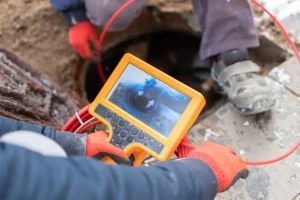
- Trenchless pipe bursting — pulling new HDPE or PEX through old pipes with minimal digging
- Epoxy pipe lining (CIPP) — coating the interior of existing pipes with structural epoxy resin
- PEX re-pipe — flexible, corrosion-resistant tubing installed behind walls or in attics
Benefits of Upgrading to Modern Piping Materials
Replacing outdated galvanized or polybutylene pipes with modern materials like cross-linked polyethylene (PEX) or copper provides superior corrosion resistance, better flow rates, and fewer leak risks in Houston's aggressive water chemistry. PEX is flexible, easy to install in tight spaces, freeze-resistant, and carries a 25–50 year warranty, while copper offers excellent durability and antimicrobial properties. The upgrade eliminates recurring leaks, improves water quality by reducing rust and sediment, lowers insurance premiums in many cases, and increases property value for future resale in a competitive market.