




Reasons to Install a Sump Pump
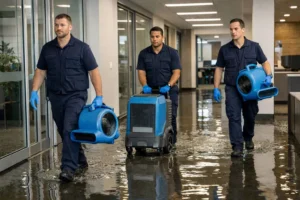
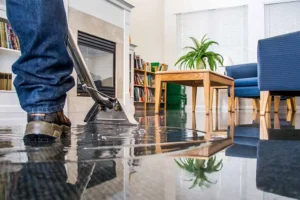
Installing a sump pump is highly recommended in Plano homes located in low-lying areas, near bayous, or with high groundwater tables, where even moderate rainfall can cause water intrusion into basements, crawl spaces, or slab foundations. The pump protects against costly water damage to flooring, drywall, insulation, stored belongings, and electrical systems while preventing mold growth in humid conditions common to the region. It also provides peace of mind during storm season and can increase property value by demonstrating proactive flood prevention to future buyers or insurers.
Types of Sump Pump Systems Available
Different sump pump configurations suit various property needs, risk levels, and budgets in Plano. The main types include:
- Primary submersible sump pump — installed in a pit below the floor, handles normal groundwater flow
- Battery backup sump pump — activates during power outages, essential for storm-prone areas
- Combination primary + backup system — dual pumps for maximum reliability
- Water-powered backup pump — uses municipal water pressure instead of electricity
- High-capacity or sewage-rated ejector pumps — for homes with basement bathrooms or heavy inflow
Sump Pump Installation Process
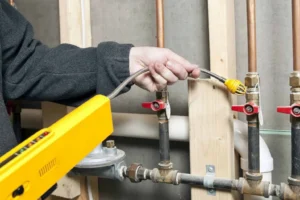
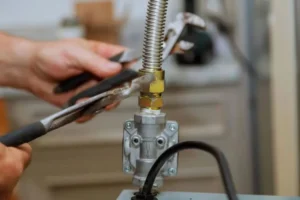
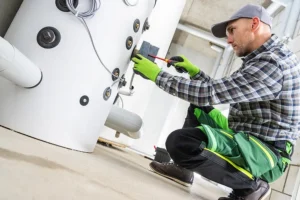
Professional sump pump installation begins with excavating a sump pit in the lowest point of the basement or crawl space, lining it with a durable plastic basin, and connecting discharge piping that carries water at least 10–20 feet away from the foundation. Technicians install the pump, float switch, check valve, and alarm system, then test the unit under simulated conditions to confirm reliable activation and proper discharge. The entire process typically takes 4–8 hours, includes waterproof sealing around the pit lid, and ends with a demonstration of how the system operates and what maintenance is required.
Sump Pump Repair vs. New Installation
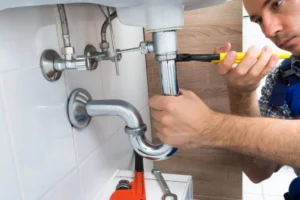
Many sump pump problems can be repaired quickly and affordably when caught early, such as replacing a faulty float switch, cleaning sediment from the pit, fixing a stuck impeller, or repairing discharge piping leaks. However, full replacement is usually recommended when the pump is over 7–10 years old, shows signs of corrosion or motor failure, repeatedly trips breakers, or fails to activate during testing. New installation also makes sense when upgrading to a higher-capacity model, adding battery backup, or moving the pump to a better location for improved performance.
Maintenance Recommendations for Long-Lasting Performance
To keep your sump pump operating reliably for years, perform simple monthly checks and schedule professional service annually. Key maintenance tips include:
- Test the pump by pouring water into the pit to ensure it activates and pumps out properly
- Clean debris and sediment from the pit and float switch every 3–6 months
- Inspect discharge piping for cracks, clogs, or ice buildup in winter
- Replace the battery in backup systems every 3–5 years
- Have a licensed technician perform annual inspection, lubrication, and pressure testing
Contact our Plano team today for sump pump installation, repair, or maintenance — we provide fast, reliable service and protect your home from water intrusion.