
Plumbing
The Woodlands
Get a plumber fast. No prepayment required.
+1(855)215-04-94
Menu
Gas Line Installation

Gas Line Installation in The Woodlands, TX

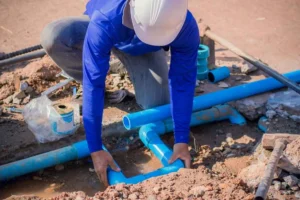
Upgrading your home with a new gas line? Our professional trenchless gas line installation in The Woodlands minimizes disruption to your yard and driveway. This modern method uses advanced boring techniques to place durable piping safely and efficiently without major excavation.

Every new gas line project requires a proper gas line permit to comply with local regulations and ensure safety. We handle all paperwork, inspections, and approvals on your behalf.

A licensed gas plumber is essential for accurate sizing, secure connections, and proper pressure testing of the entire system. We verify optimal gas flow and pressure levels to support your appliances reliably. Our certified team prevents issues like leaks or insufficient supply from the start.

Call now +1(855)215-04-94

Plumbing Services in The Woodlands

Gas Line Installation in The Woodlands, TX

When and Where Gas Line Installation Is Needed

Gas line installation is typically required when adding new natural gas appliances such as tankless water heaters, high-BTU stoves, outdoor fire pits, standby generators, or pool heaters that were not present in the original construction. The service is also frequently requested during kitchen or bathroom remodels, home additions, garage conversions to living space, or whole-house energy upgrades where homeowners switch from electric to gas for better efficiency and lower long-term costs. It is common in newly purchased older properties that have limited or undersized existing gas piping unable to support modern high-demand equipment.

Key Locations and Texas Compliance Requirements

Gas line work in Texas must strictly follow Railroad Commission regulations, International Fuel Gas Code (IFGC), NFPA 54 standards, and local The Woodlands permitting rules to ensure safe, leak-free installations. Typical installation locations include routing from the utility meter to interior manifolds, through attics or crawl spaces using flexible CSST, buried underground lines to outdoor appliances, extensions to detached garages or backyard structures, and new branch lines for multiple high-efficiency devices. All work requires proper permits, pressure testing, inspection by city or state authorities, and final certification — our team manages every step to guarantee full compliance and homeowner safety.

Types of Gas Line Installation Services We Provide

Our licensed technicians offer a complete range of gas piping installations customized to your home's layout, appliance needs, and budget. Common types of work include:

  • New gas line from meter to interior manifold or appliance hookups
  • Underground buried lines to outdoor grills, generators, or pool heaters
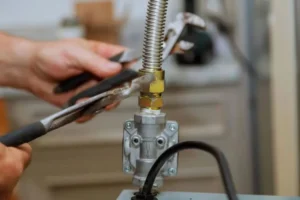
  • CSST or black iron piping extensions through walls, attics, or crawl spaces
  • Branch additions for multiple appliances with proper sizing calculations
  • Conversion from propane to natural gas with regulator and orifice changes
  • Installation of shut-off valves, drip legs, sediment traps, and tracer wire

Materials and Methods Used for Safe Installation

We use only code-approved materials such as Schedule 40 black iron, certified CSST (Gastite, Wardflex, TracPipe), or polyethylene (PE) for underground runs, ensuring corrosion resistance and long-term durability in The Woodlands's soil and climate. Installation methods include trenched burial with protective sleeves, trenchless directional boring for minimal surface disruption, and interior routing with proper supports, hangers, and clearances from electrical or HVAC lines. Every installation ends with full pressure testing (usually 3–10 psi for 15–30 minutes), leak detection with electronic detectors and soap solution, system purging, and final safety checks.

Call Now & Save!
Connect With a Licensed Plumber
Call Now

Frequently Asked Questions

How much does gas line installation cost?

The average cost to install a new gas line ranges from $500 to $2,000, depending on the length of the line, location (indoor vs. outdoor), and the appliance being connected (e.g., stove, dryer, or fireplace). Simple appliance hookups start around $300–$700, while running a new line from the meter can exceed $1,500. Factors like trenching, permits, and pipe material also affect the price. We provide free on-site estimates to give you an accurate quote.

Who can install a gas line in my home?

Gas line installation must be performed by a licensed plumber or gas fitter. Natural gas work is highly regulated for safety reasons, and only professionals with proper certification can pull permits and ensure code compliance. DIY installation is not recommended and is often illegal in most U.S. jurisdictions due to the risk of leaks or explosions.

Do I need a permit for gas line installation?

Yes, in almost all U.S. cities and counties, a permit is required for new gas line installation or major modifications. Your licensed plumber will handle obtaining the permit and scheduling inspections to ensure the work meets local building codes (such as the International Fuel Gas Code).

Can I install a gas line myself?

No, we strongly advise against DIY gas line installation. Working with natural gas or propane is extremely dangerous—improper installation can lead to gas leaks, carbon monoxide poisoning, fires, or explosions. Always hire a licensed professional to ensure safety and compliance.

What materials are used for gas lines?

Common materials include black iron pipe, corrugated stainless steel tubing (CSST), polyethylene (PE) for underground lines, and sometimes copper (though less common now). The choice depends on local codes, whether the line is indoor/outdoor, and the application. We use code-approved, high-quality materials for durability and safety.

How long does gas line installation take?

Most residential gas line installations take 1–3 days, depending on complexity. A simple appliance hookup might be completed in a few hours, while running a new line through walls or underground can take longer due to trenching, testing, and inspections.

Is it safe to extend a gas line for a new appliance (like a stove or grill)?

Yes, when done by a professional. We’ll perform a pressure test, check for leaks, and ensure proper sizing for your appliance’s BTU requirements. Extending an existing line is often more affordable than installing a completely new one.

What are the signs of a gas leak, and what should I do?

Signs include a rotten egg smell, hissing sounds, dead plants near underground lines, or higher-than-normal gas bills. If you suspect a leak, evacuate immediately, do not turn on lights or appliances, and call your gas company or 911 from a safe location. Then contact us for emergency repairs.

Do you install gas lines for outdoor appliances like BBQs or fire pits?

Absolutely! We specialize in outdoor gas line installations, including trenching and weather-resistant piping. These projects often cost $500–$1,500 and require proper venting and shut-off valves for safety.

Plumbing Emergency Service +1(855)215-04-94 Call Now