

Why Consider Toilet Installation or Replacement in Houston?
Replacing an old, inefficient, or constantly running toilet in Houston is one of the most practical home upgrades you can make, especially given the city's hard water, frequent humidity, and rising utility costs that make water conservation more important than ever for local homeowners. Modern toilets use significantly less water per flush (1.28 gallons or less compared to older models that wasted 3.5–7 gallons), help lower monthly water bills, reduce strain on septic systems or municipal sewers during heavy rain events, and eliminate common annoyances such as weak flushes, constant tank refilling, leaks at the base, or uncomfortable seat heights that have plagued many homes built before 2000. Whether you're remodeling a bathroom, dealing with repeated clogs, noticing water damage around the flange, or simply want better performance and hygiene, a professional toilet installation or replacement delivers immediate comfort, long-term savings, and increased resale value for your property.
How to Choose the Right Toilet for Your Houston Home
Selecting the perfect new toilet involves balancing performance, comfort, style, and compatibility with your existing plumbing setup to ensure years of trouble-free use in Houston's challenging water conditions. The most popular and reliable types available today include:
- One-piece toilets — seamless design with tank and bowl molded together, easier to clean, more modern appearance, but usually heavier and more expensive
- Two-piece toilets — separate tank and bowl connected by bolts, more affordable, easier to transport/install, and the most common choice for replacements
- Comfort height (ADA-compliant) — bowl height 17–19 inches, easier to sit on and stand up from, ideal for seniors, people with mobility issues, or anyone who prefers a chair-like feel
- Elongated vs. round bowl — elongated (18.5 inches front-to-back) offers more seating comfort; round (16.5 inches) fits smaller bathrooms better
- Low-flow / high-efficiency models — 1.28 GPF or dual-flush (1.0/1.6 GPF) options that meet WaterSense standards and qualify for rebates in some Houston-area utilities
- Toto, Kohler, American Standard, Glacier Bay, and Delta — trusted brands with strong warranties, reliable flush performance, and good resistance to hard-water mineral buildup
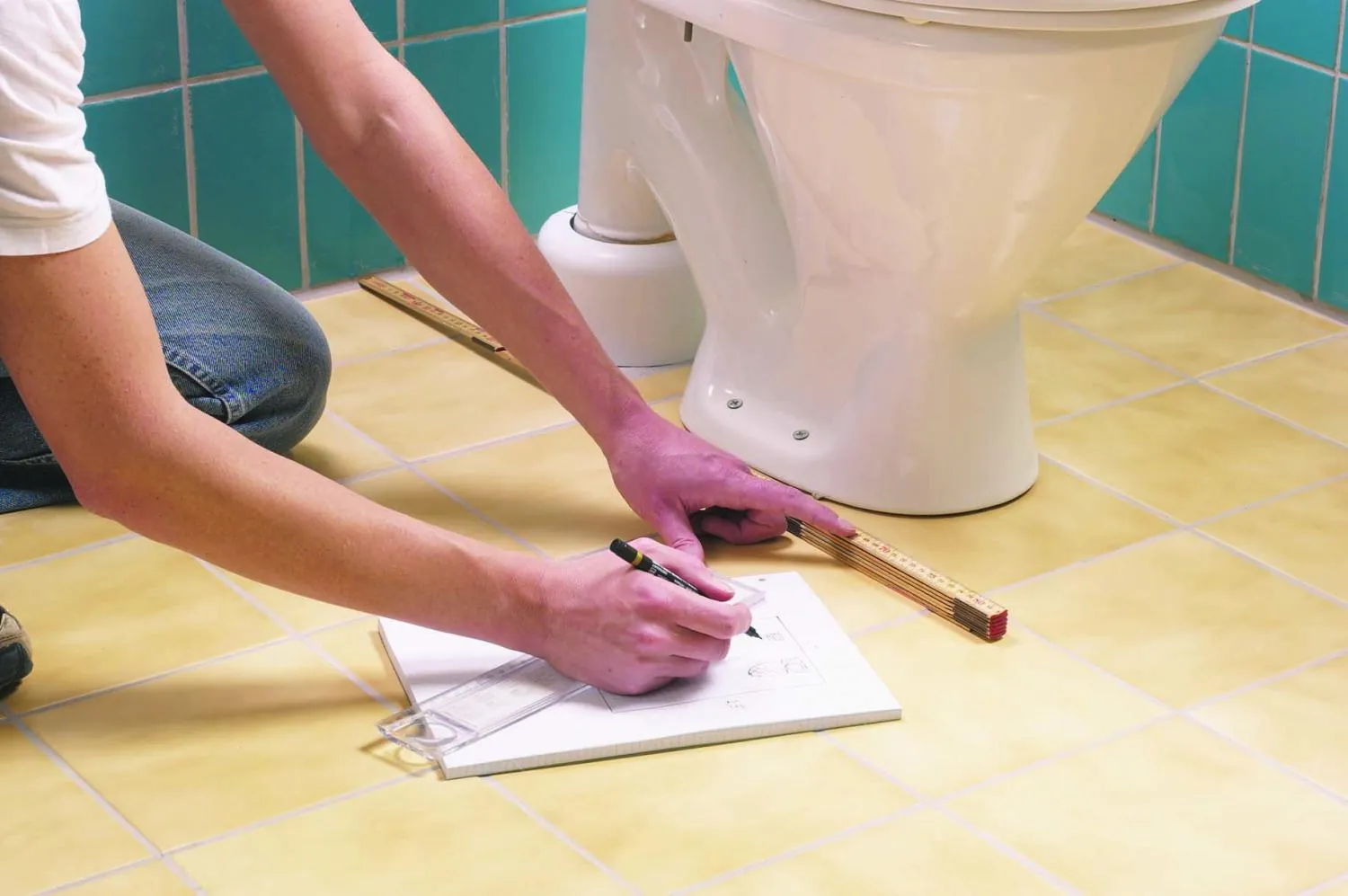
Always measure your rough-in distance (wall to center of floor flange — usually 12 inches, sometimes 10 or 14) before purchasing to avoid costly adjustments during installation.
The Professional Toilet Installation Process in Houston
Our licensed plumbers follow a precise, step-by-step process to ensure your new toilet is installed correctly, leak-free, and compliant with local plumbing codes the first time. The typical installation includes shutting off the water supply, removing the old toilet (disconnecting supply line, unbolting base, lifting carefully to avoid damaging flooring), inspecting and repairing the floor flange if cracked or corroded, installing a new wax ring (or wax-free seal), setting the toilet bowl perfectly level and centered, securing it to the floor with closet bolts, attaching the tank, connecting the water supply with a high-quality flexible line, testing for leaks at all connections, flushing multiple times to verify strong performance, and performing a final cleanup of the work area. The entire job usually takes 1–3 hours depending on whether flange repair, new shut-off valve installation, or minor floor patching is required, leaving you with a stable, quiet, efficient toilet ready for daily use.
When Toilet Repair Makes More Sense Than Replacement
Not every toilet problem requires full replacement — many common issues can be fixed quickly and affordably by a professional plumber, extending the life of your existing fixture for several more years. Typical repairable problems include a running toilet caused by a faulty flapper, fill valve, or flush valve assembly; a leaking base due to a deteriorated wax ring or damaged flange; weak or incomplete flushes from clogged jets or a worn flush valve; noisy tank refilling from a bad fill valve; cracked tank-to-bowl gasket; or broken seat hinges and bolt caps. During a service call we disassemble the tank, replace worn rubber components (flapper, gasket, valve seals), clean mineral-clogged jets and siphon jet holes, adjust chain length and float settings, test water level and flush performance, and reassemble everything — often resolving the issue in under an hour for a fraction of the cost of a new toilet, while restoring full functionality and preventing hidden water damage under the floor.