

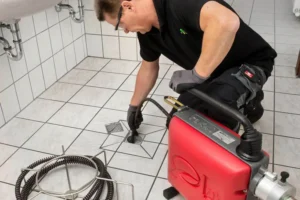
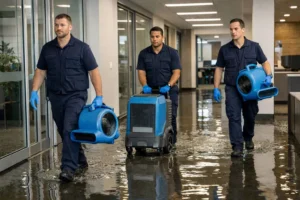
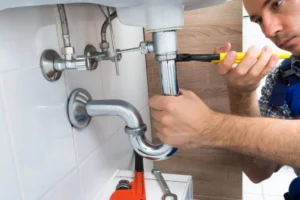
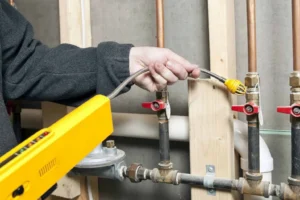
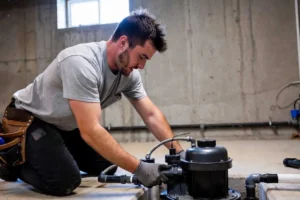
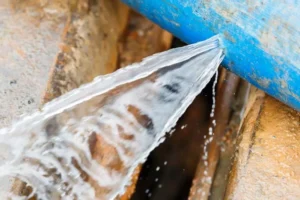
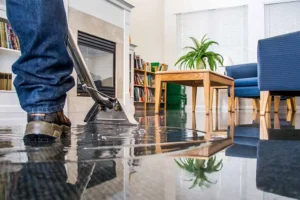

Water damage in Houston can strike without warning due to frequent flash floods, tropical storms, hurricane-related rainfall, slab leaks, burst pipes, or overflowing appliances, quickly saturating drywall, flooring, insulation, furniture, and personal belongings while creating ideal conditions for rapid mold growth in our hot and humid climate. Our IICRC-certified water damage restoration team specializes in comprehensive recovery for all types of residential properties, including single-family homes (especially slab-on-grade and pier-and-beam constructions common in Houston), townhouses, condominiums, high-rise apartments, and older Craftsman or ranch-style houses built before 1980 that frequently experience foundation-related moisture intrusion. No matter whether the damage comes from clean water (supply line break), gray water (dishwasher or washing machine overflow), or black water (sewer backup), we arrive prepared to stabilize your property, mitigate further loss, and restore it to a safe, dry, livable condition.
How to Prepare Your Home Before Our Team Arrives
To help our technicians work efficiently and protect your belongings as much as possible, take these practical steps immediately after discovering water damage while waiting for our arrival. Move valuable items, electronics, important documents, photographs, and irreplaceable keepsakes to dry, elevated locations away from affected areas if it can be done safely without entering standing water. Remove as much furniture as possible from wet zones (especially upholstered pieces and wood items), open cabinet doors and drawers to allow air circulation, and avoid using regular household fans or heaters until professionals assess electrical safety. Do not attempt to turn power back on in flooded areas, enter visibly unsafe spaces, or use chemical cleaners that might interfere with professional drying and mold prevention protocols.
Step-by-Step Water Damage Restoration Process in Houston
Our structured restoration process follows industry best practices and is tailored to the specific conditions found in Greater Houston homes. The detailed stages include:
- Immediate Response & Safety Assessment — arrival within 60–120 minutes (average in most Houston areas), electrical safety check, main water shut-off verification, and structural hazard evaluation
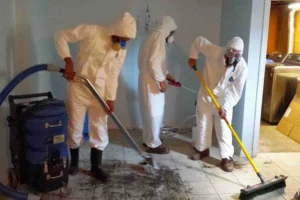
- Water Extraction — powerful truck-mounted and portable extractors remove thousands of gallons of standing water in the first few hours to prevent deeper saturation
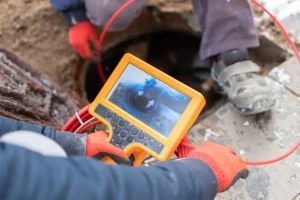
- Moisture Mapping & Inspection — use of thermal imaging cameras, moisture meters, and hygrometers to detect hidden pockets of water in walls, ceilings, subfloors, and insulation
- Structural Drying — deployment of industrial-grade air movers, dehumidifiers, and negative air machines for 3–7 days (depending on saturation level) to bring materials back to normal moisture content
- Content & Personal Property Handling — pack-out of salvageable items for off-site cleaning/storage, disposal documentation for non-restorable items, and detailed inventory tracking
- Antimicrobial Treatment & Mold Prevention — application of EPA-registered antimicrobials and fogging to inhibit mold growth during the drying phase
- Final Cleaning & Sanitization — thorough HEPA vacuuming, surface disinfection, and odor neutralization after drying is complete
- Documentation for Insurance — detailed moisture logs, photos, and reports to support your claim throughout the entire process
What We Remove, Salvage, and Decisions That Affect the Outcome
During restoration we carefully evaluate every affected material: porous items like saturated drywall (usually removed below 18–24 inches), carpet padding, and heavily soaked insulation are almost always removed and discarded to eliminate mold risk, while semi-porous materials such as hardwood floors, ceramic tile, and structural wood are dried in place if moisture readings allow. Non-porous surfaces (metal, glass, vinyl) are cleaned and restored in nearly every case. The final scope of removal vs. restoration depends on several key factors: category/class of water damage, how quickly drying begins, type of building materials, extent of contamination, presence of pre-existing mold, and whether structural integrity has been compromised — our goal is always maximum salvage with minimum demolition while ensuring your home returns to a safe, healthy environment.