


How Homeowners Discover a Water Main Leak in Houston
Most homeowners in Houston first notice a water main leak through unexplained spikes in their monthly water bill that far exceed normal usage, even when no extra water activities have occurred. Other common signs include persistently low water pressure throughout the house, wet or soggy spots in the yard along the line from the meter to the home, unusual pooling or bubbling in the lawn, or a constant hissing sound near the water meter when all faucets are turned off. These indicators often appear suddenly after ground shifting from heavy rain or clay soil movement, prompting immediate professional attention to prevent massive water loss and foundation damage.
When Water Main Repair Becomes Necessary
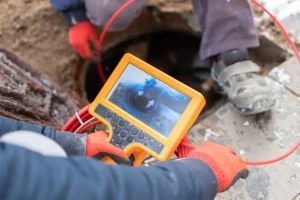
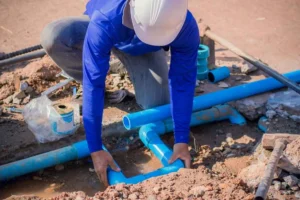
Repair or replacement of the water main line is required when leaks are confirmed by professional detection tools, visible surface damage exists, or when pressure testing shows significant drops that cannot be resolved with minor fixes. In Houston, this service is especially urgent after storms, during home sales inspections revealing undersized or corroded lines, or when repeated small leaks indicate widespread deterioration of aging pipes. Delaying repair can lead to sinkholes, structural settling, skyrocketing utility costs, and potential liability if water floods neighboring properties or erodes public sidewalks.
Types of Pipes That Can Be Repaired vs. Those Requiring Replacement
Some water main pipe materials respond well to targeted repairs, while others have deteriorated so severely that full replacement is the only reliable long-term solution in Houston's aggressive soil and water conditions. Here’s a quick guide to common pipe types:
- Copper — often repairable with soldering new sections or couplings if corrosion is localized
- Galvanized steel — rarely worth repairing due to internal rust and scaling; almost always replaced with modern materials
- HDPE (high-density polyethylene) — highly repairable using fusion welding for clean, strong joints
- Cast iron or ductile iron — repairable with couplings or clamps for small cracks, but often replaced when widespread corrosion exists
- Older PVC or CPVC — repairable in many cases with solvent-welded patches or couplings