



Common Causes of Water Accumulation in Houston
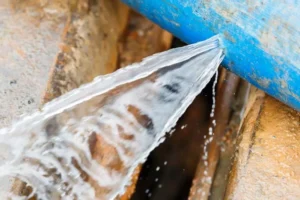
- Sudden pipe bursts or frozen lines during rare cold fronts
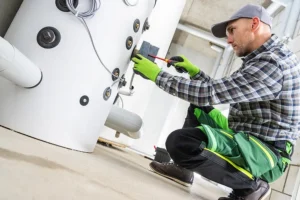
- Appliance overflows (washing machine, dishwasher, water heater)
- Storm flooding through foundation cracks or poor yard drainage
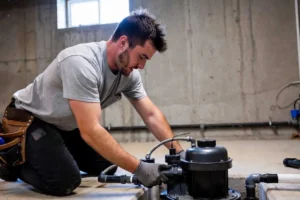
- Failed or overwhelmed sump pumps during heavy rain events
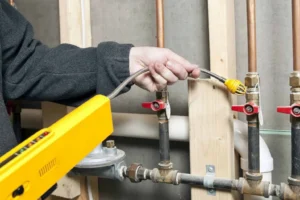
- Hidden slab leaks under concrete foundations
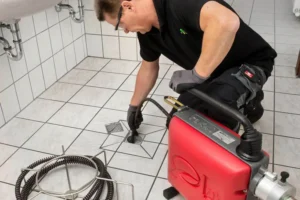
- Sewer backups caused by tree roots or main line blockages
- Roof leaks or HVAC condensate line failures in humid conditions
Tips to Prevent Flooding and Water Damage
To significantly reduce the risk of future water intrusion and costly emergencies, homeowners should adopt proactive habits and regular maintenance routines tailored to Houston's climate and soil conditions. Here are the most effective preventive measures:
- Install and test a sump pump with battery backup annually, especially in low-lying areas
- Ensure proper yard grading directs rainwater away from the foundation and clean gutters regularly
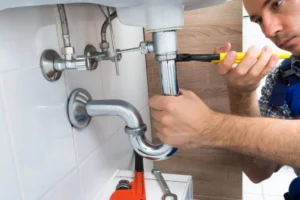
- Inspect visible supply lines, hoses, and shut-off valves under sinks and behind appliances twice a year
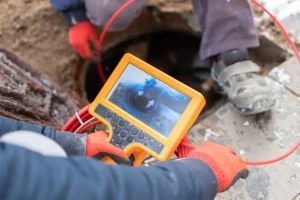
- Schedule professional drain and sewer camera inspections every 1–2 years to catch root intrusion early
- Replace old galvanized or polybutylene pipes proactively if your home was built before 1995
- Keep the main water shut-off valve accessible and test it quarterly
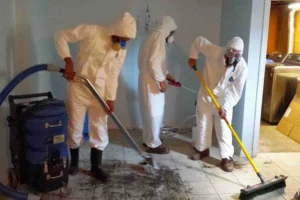
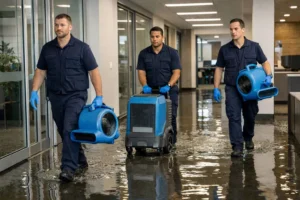
If your home suddenly floods, immediately shut off the main water valve to stop additional inflow, avoid walking through standing water if electrical hazards are present, and move valuable items, electronics, and important documents to higher, dry locations as safely as possible. Do not attempt to use regular household fans or turn on HVAC systems until professionals confirm it is safe, and never enter severely flooded areas without protective gear. Calling a qualified water removal specialist right away minimizes secondary damage from prolonged moisture exposure and mold growth.
How Emergency Water Removal Pricing Is Determined
Pricing for emergency water removal in Houston depends primarily on the volume of standing water, the total affected square footage, the category and class of water damage (clean, gray, or black water), the time required for complete drying (typically 3–7 days), and any additional structural repairs, content handling, or mold remediation needed. Basic extraction and drying for a single room or small area typically ranges from $1,200 to $3,500, while whole-home flooding involving multiple rooms, contaminated water, or extensive drying can range from $4,000 to $15,000 or more depending on severity. We always perform a thorough initial assessment and provide a clear, written estimate before work begins so there are no surprises and you can make informed decisions with confidence.