


When and Where Gas Line Installation Is Needed
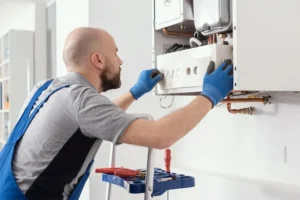
Gas line installation is typically required when adding new natural gas appliances such as tankless water heaters, high-BTU stoves, outdoor fire pits, standby generators, or pool heaters that were not present in the original construction. The service is also frequently requested during kitchen or bathroom remodels, home additions, garage conversions to living space, or whole-house energy upgrades where homeowners switch from electric to gas for better efficiency and lower long-term costs. It is common in newly purchased older properties that have limited or undersized existing gas piping unable to support modern high-demand equipment.
Key Locations and Texas Compliance Requirements
Gas line work in Texas must strictly follow Railroad Commission regulations, International Fuel Gas Code (IFGC), NFPA 54 standards, and local Wichita Falls permitting rules to ensure safe, leak-free installations. Typical installation locations include routing from the utility meter to interior manifolds, through attics or crawl spaces using flexible CSST, buried underground lines to outdoor appliances, extensions to detached garages or backyard structures, and new branch lines for multiple high-efficiency devices. All work requires proper permits, pressure testing, inspection by city or state authorities, and final certification — our team manages every step to guarantee full compliance and homeowner safety.
Types of Gas Line Installation Services We Provide
Our licensed technicians offer a complete range of gas piping installations customized to your home's layout, appliance needs, and budget. Common types of work include:
- New gas line from meter to interior manifold or appliance hookups
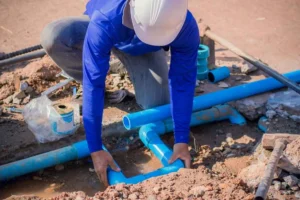
- Underground buried lines to outdoor grills, generators, or pool heaters
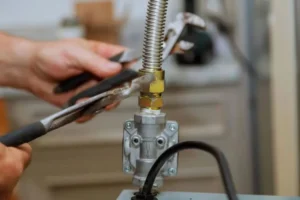
- CSST or black iron piping extensions through walls, attics, or crawl spaces
- Branch additions for multiple appliances with proper sizing calculations
- Conversion from propane to natural gas with regulator and orifice changes
- Installation of shut-off valves, drip legs, sediment traps, and tracer wire
Materials and Methods Used for Safe Installation
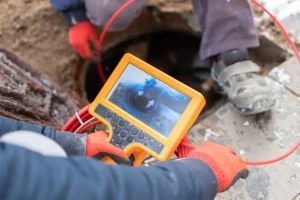
We use only code-approved materials such as Schedule 40 black iron, certified CSST (Gastite, Wardflex, TracPipe), or polyethylene (PE) for underground runs, ensuring corrosion resistance and long-term durability in Wichita Falls's soil and climate. Installation methods include trenched burial with protective sleeves, trenchless directional boring for minimal surface disruption, and interior routing with proper supports, hangers, and clearances from electrical or HVAC lines. Every installation ends with full pressure testing (usually 3–10 psi for 15–30 minutes), leak detection with electronic detectors and soap solution, system purging, and final safety checks.